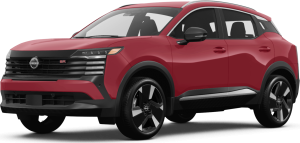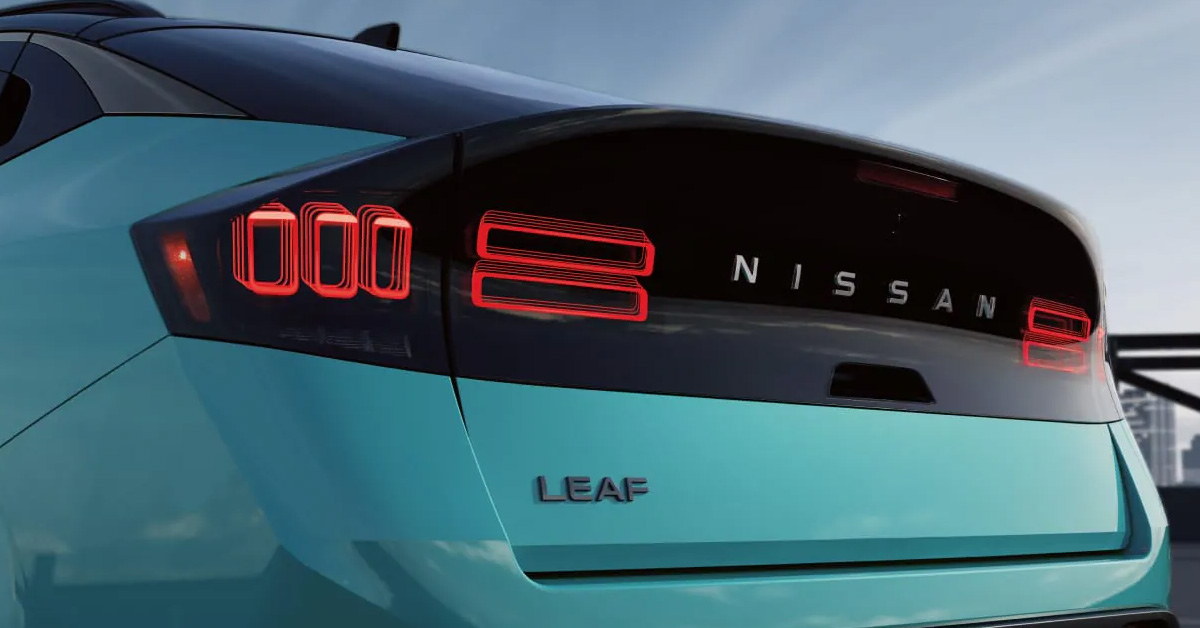
Keeping your Nissan EV battery healthy starts with understanding how to charge, drive, and maintain your vehicle properly. Avoid extreme temperatures, limit full charges and deep discharges, and follow recommended service routines to extend battery life and preserve performance. Applying these practices ensures your 2026 Nissan LEAF stays efficient, reliable, and ready for every journey.
Everyday driving habits play a major role in Nissan EV battery longevity. Using moderate speeds, gentle acceleration, and energy-saving modes, along with slower AC charging for routine use, helps reduce stress on the battery and keeps it performing at its best. Knowing what to avoid—like prolonged full charges or leaving the battery at zero charge—can make a significant difference in overall battery health.
At Glendale Nissan, we’re here to support drivers in Sierra Madre, Pasadena, La Crescenta, and La Canada with all their automotive needs. From sales and certified service to genuine parts and maintenance guidance, our team is ready to help you get the most out of your Nissan. Contact us or visit Glendale Nissan today to and explore our wide selection of new vehicles and experience the care and expertise that keeps your vehicle running at peak performance.
How Should You Charge Your Nissan EV Battery Properly?
Proper charging is one of the most important steps to maintain Nissan EV battery health. Using the right charging habits helps your LEAF last longer and keeps it performing well. Understanding how to charge Nissan EV battery properly prevents stress on the cells and avoids early wear. Following simple tips from the 2026 Nissan electric vehicle battery care guidelines makes a noticeable difference over time.
For daily charging, keep your state of charge (SOC) between 20% and 80–85%. Only charge to 100% when you need full range for a long trip. Avoid letting the battery run to zero unless necessary, as deep discharges can reduce lifespan.
Use slower charging for regular needs:
- AC Level 1 or Level 2 chargers are gentler on the battery.
- Fast DC chargers generate more heat and stress cells when used often.
- Give the battery time to cool before charging after a long drive.
- Other Nissan EV battery longevity tips include:
- Avoid leaving the car in extreme heat or cold while charging.
- Follow your Nissan EV battery maintenance guide for routine checks.
- Use genuine Nissan chargers or high-quality compatible equipment to ensure proper charging.
By sticking to these habits, you help your LEAF stay efficient, reliable, and safe. Charging smart is one of the easiest ways to protect your investment. Good charging habits today pay off in better performance tomorrow.
What Driving Habits Help Extend Nissan EV Battery Longevity?
The way you drive has a big impact on how long your Nissan LEAF battery lasts. Gentle driving reduces stress on the battery and helps maintain Nissan EV battery health. Following simple steps from the 2026 Nissan electric vehicle battery care guide can make your battery more efficient. Small changes in speed, braking, and use of driving modes add up over time.
Key Nissan EV battery longevity tips for driving include:
- Drive smoothly: Avoid fast starts and hard stops to reduce strain on the battery.
- Keep speeds moderate: High speeds drain energy faster and generate extra heat.
- Use energy-saving modes: ECO mode and regenerative braking help reduce battery load.
- Plan trips wisely: Combine short drives and avoid repeated stop-and-go traffic when possible.
Other good practices include:
- Avoid aggressive driving in hot weather, as high temperatures speed up battery wear.
- Follow your Nissan EV battery maintenance guide for regular checks and software updates.
- Combine good driving habits with proper charging to maximize LEAF battery life.
By adopting these habits, your LEAF will stay efficient and reliable for years. Smart driving today leads to stronger battery performance tomorrow.
How Can Parking and Temperature Affect Your Nissan EV Battery?
Where and how you park your Nissan LEAF can have a big impact on battery life. Extreme heat or cold can reduce capacity and make the battery age faster. Following tips from the 2026 Nissan electric vehicle battery care guide helps maintain Nissan EV battery health. Protecting your battery from harsh temperatures keeps your EV more efficient and reliable.
Best practices for parking and temperature include:
- Avoid direct sunlight for long periods: High heat can stress the battery and reduce longevity.
- Keep the car in a shaded or covered area: A garage or carport is ideal for long-term storage.
- Avoid freezing conditions: Cold can slow battery performance and shorten daily range.
- Park with moderate charge: Leaving the battery at 100% or near zero in extreme temperatures can harm cells.
Other Nissan EV battery longevity tips:
- Follow your Nissan EV battery maintenance guide for regular inspections after extreme weather.
- Combine smart parking with proper charging habits to protect battery health.
- Plan trips and storage with temperature in mind for the best battery performance.
Protecting your LEAF from extreme heat and cold today helps it run efficiently for years. Smart parking choices are a simple way to support long-term battery health.
What Maintenance Practices Are Essential for Nissan EV Battery Care?
Regular maintenance is key to keeping your 2026 Nissan LEAF battery healthy and efficient. Following the 2026 Nissan electric vehicle battery care guidelines helps prevent issues before they start. Routine checks and using the right equipment are part of a solid Nissan EV battery maintenance guide. These practices also make your battery last longer and perform better in daily use.
Important maintenance steps include:
- Schedule regular battery inspections: Certified Nissan technicians can catch problems early and maintain Nissan EV battery health.
- Use genuine Nissan chargers or approved EVSE: Proper equipment ensures safe and effective charging.
- Check software updates: Nissan updates can improve battery efficiency and help manage energy use.
Additional Nissan EV battery longevity tips:
- Avoid skipping scheduled service visits; they help protect your investment.
- Monitor charging habits and temperature exposure as part of maintenance.
- Keep your LEAF clean and dry, as extreme conditions can indirectly affect battery performance.
By staying on top of these maintenance practices, you ensure your LEAF remains reliable and efficient for years. Regular care is one of the simplest ways to protect long-term battery health.
What Common Mistakes Can Reduce Nissan EV Battery Lifespan?
Even small mistakes can affect how long your Nissan LEAF battery lasts. Following the 2026 Nissan electric vehicle battery care tips helps you avoid these issues. Knowing what to avoid is key to maintain Nissan EV battery health and prevent early wear. By adjusting habits, you can extend battery life and keep your EV performing well.
Common mistakes that harm Nissan EV battery longevity include:
- Frequent fast charging: Repeated DC fast charging adds stress and heat to battery cells.
- Leaving the battery at 100%: Long periods at full charge can reduce capacity over time.
- Running the battery to zero: Deep discharges and long storage at low charge hurt the battery.
- Exposure to extreme temperatures: Heat and cold can accelerate aging and reduce efficiency.
Other Nissan EV battery longevity tips to avoid damage:
- Don’t rely solely on quick charging for daily use.
- Follow your Nissan EV battery maintenance guide for proper care and inspections.
- Combine careful driving, proper charging, and smart parking for best results.
Avoiding these mistakes today helps your LEAF remain reliable and efficient for years. Smart habits are the easiest way to protect long-term battery health.
Common Questions About Nissan EV Battery Care
What practices help prolong the battery life in a 2026 Nissan EV?
Avoid prolonged full charges or deep discharges, drive smoothly, use energy-saving modes, park in moderate temperatures, and follow regular maintenance.
How often should I charge my Nissan EV for optimal battery health?
Charge regularly but avoid keeping the battery at 100% or letting it drop to zero. Keeping it between 20% and 80–85% is ideal for daily use.
Does fast charging affect the long-term health of the battery?
Frequent DC fast charging can stress the battery and accelerate wear. Use fast charging only when needed for long trips.
How does temperature (hot or cold) impact a Nissan EV battery?
Extreme heat or cold accelerates battery aging and reduces performance. Park in shaded or covered areas when possible.
Should I avoid letting the battery drop to very low levels?
Yes. Allowing the battery to sit near zero for extended periods can harm cells and reduce longevity.
Are there recommended charging habits for daily vs long‑distance driving?
For daily use, keep the SOC between 20–80/85% using AC Level 1 or Level 2 charging. Charge to 100% only for long trips when full range is needed.
How can I store my Nissan EV long-term without damaging the battery?
Store in moderate temperatures, keep the battery around 50–60% charge, avoid extreme heat or cold, and follow Nissan EV battery maintenance guide recommendations.
Get the Most from Your NissanGet the Most from Your Nissan
If you live in Sierra Madre, Pasadena, La Crescenta, or La Canada, Glendale Nissan is ready to help with all your EV and gas vehicle needs. Our team can answer questions, provide service, and guide you to the right car for your lifestyle.
We offer a wide selection of Nissan vehicles, including the 2026 Nissan LEAF, so you can find the model that fits your needs. Keeping up with simple maintenance and smart driving habits helps your Nissan stay reliable and efficient for years.
To keep your vehicle running at its best, check out tips on Nissan Brake Fluid Schedule, Change Nissan Brake Fluid or learn more about choosing between a Nissan EV or gas model. Contact us today or visit our dealership to get the support and service you need.
Get Directions to Glendale Nissan
Disclaimer: All information is provided for general informational and entertainment purposes only. While we strive for accuracy, we cannot guarantee that all content is complete, current, or error-free. Any reliance you place on such information is strictly at your own risk. This article may include opinions and is not endorsed by, or officially affiliated with, any vehicle manufacturer or brand. Always consult official sources – such as the vehicle’s owner’s manual, authorized dealerships, or certified professionals – for the most up-to-date and personalized information.