At Glendale Nissan, we proudly serve drivers throughout Glendale, Sierra Madre, Pasadena, La Crescenta, and La Cañada with a full range of automotive solutions. Whether you’re searching for a new Nissan Rogue, need genuine Nissan parts, or require expert service and maintenance, our team is here to help every step of the way. From sales to service, we are committed to keeping your vehicle performing at its best. Contact us or visit Glendale Nissan today to explore our new models of Nissan vehicles.
Brake service is one of the most important aspects of vehicle maintenance, and one step that’s often overlooked is the brake fluid change. Over time, brake fluid absorbs moisture and loses effectiveness, which can compromise your stopping power. By staying on top of this service, you’ll help extend the life of your braking system and maintain the safety and reliability that Nissan vehicles are known for.
Changing the brake fluid in your Nissan doesn’t have to be complicated when you know the basics. In this guide, you’ll learn how often to change Nissan brake fluid, what tools and materials you’ll need, and a step-by-step process for performing a complete brake fluid flush. With clear instructions and practical safety tips, you’ll be equipped with the knowledge to keep your Nissan’s brakes in peak condition for miles ahead.
What Tools and Materials Do You Need for a Nissan Brake Fluid Change?
Before you begin a brake service, it is smart to have the right tools on hand. This makes the job safer and helps you follow a step-by-step brake fluid change Nissan owners can trust. Having the proper items ready will save you time and lower the chance of error. Whether you drive a Nissan Rogue or another model, the basics are the same.
Here are the tools and materials you should gather:
- Fresh DOT 3 or DOT 4 brake fluid (check your owner’s manual for the right type)
- Wrench set, often 8mm–10mm for bleeder screws
- Jack and jack stands or ramps
- Lug wrench
- Brake bleeder kit or clear tube with a small container
- Turkey baster or fluid pump
- Safety glasses and gloves
- Shop rags or paper towels
These items are needed for both a full Nissan brake fluid flush and a quick check. The fluid itself is the most vital. Always use a fresh, sealed bottle, since open fluid can take in water and reduce braking power.
By keeping these tools close, you’ll be ready for a change Nissan brake fluid 2026 process when the time comes. This list also helps explain why many people prefer to schedule service as part of their Nissan CVT brake service maintenance. If you are unsure about how often to change brake fluid Nissan recommends, a certified technician can give clear guidance and make sure the work is done right.
Step-by-Step Brake Fluid Change on Your Nissan
1. Parking Safely and Preparing Your Nissan
Before you begin a brake fluid service, the way you park and set up your vehicle matters. Safe prep lowers risks and makes the work easier. Whether you drive a Rogue or another model, these steps will guide you through the start of a step-by-step brake fluid change Nissan owners can rely on.
Follow these simple actions:
- Park on a flat, level surface.
- Place the gear in Park and set the parking brake.
- Turn off the engine and remove the key.
- Loosen the lug nuts a small turn if you plan to take off the wheels.
- Use a jack to lift the car, then place it on jack stands.
- Double check that the car does not shift or move.
These steps are part of a safe Nissan brake fluid flush guide and help you get the car ready for service. If you are planning to change Nissan brake fluid 2026 models or older, a stable setup is the first step to success.
Keep in mind that brake fluid work is part of Nissan CVT brake service maintenance. If you are unsure about how often to change brake fluid Nissan suggests, your owner’s manual will provide clear intervals. Taking care of this service on time helps ensure that your brake system works as it should.
2. Accessing and Cleaning the Brake Fluid Reservoir
Once your vehicle is safe and secure, the next step is to reach the brake fluid tank. This is found in the engine bay, near the back on the driver’s side. The reservoir is clear plastic, which makes it easy to see the fluid level inside. Whether you drive a Rogue or another model, the layout is similar across most Nissan vehicles.
Before you open the cap, it is key to keep dirt out. Even a small bit of grit can harm the system. Use a clean rag or towel to wipe the area around the cap. This step is quick but very important in a step-by-step brake fluid change Nissan drivers can perform at home.
Follow these steps to prepare the reservoir:
- Wipe the cap and the area around it with a clean cloth.
- Open the cap slowly to reduce the chance of dirt falling inside.
- Use a turkey baster or pump to take out most of the old fluid.
- Leave a small amount to keep air from entering the brake lines.
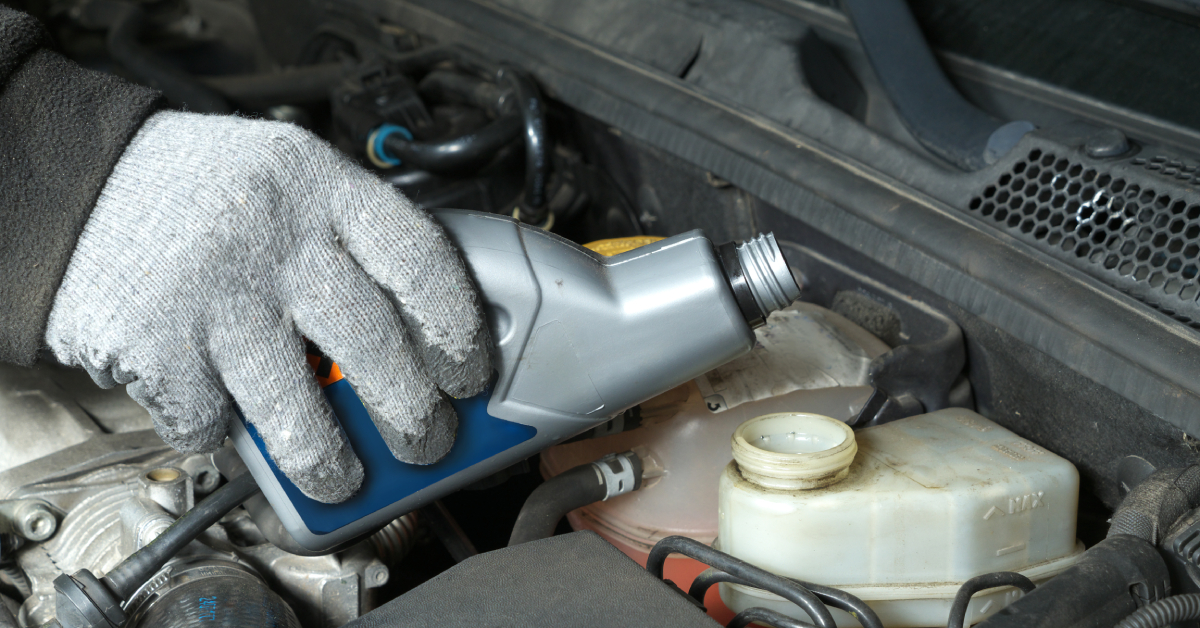
- Add fresh DOT 3 or DOT 4 fluid up to the MAX line.
These actions form the base of a proper Nissan brake fluid flush guide. By doing this, you can change Nissan brake fluid 2026 models or older with less risk of damage.
If you are unsure about how often to change brake fluid Nissan suggests, check your manual or ask a certified technician. Many drivers make this part of their Nissan CVT brake service maintenance plan. Keeping the reservoir clean and filled with fresh fluid ensures the brake system stays strong and safe.
3. Removing Old Brake Fluid with a Pump or Baster
After the reservoir is open and clean, the next step is to take out the old fluid. Brake fluid breaks down with time and pulls in water. This weakens its strength and can lower brake power. That is why removing it is a key step in a Nissan brake fluid flush guide.
The best way to start is with a pump or turkey baster. These tools let you pull out most of the old fluid without a mess. Always leave a small amount of fluid at the bottom to stop air from reaching the brake lines.
Here’s a clear process you can follow:
- Place the pump or baster into the brake fluid reservoir.
- Remove as much of the old fluid as possible.
- Keep a small layer of fluid in the bottom of the tank.
- Dispose of the old fluid in a safe way.
- Add new DOT 3 or DOT 4 fluid until it reaches the MAX mark.
This step is simple, yet vital for anyone who wants to change Nissan brake fluid 2026 models or older. It also helps keep your Nissan Rogue and other models ready for the next stage of a step-by-step brake fluid change Nissan drivers can do at home.
If you are unsure about how often to change brake fluid Nissan recommends, look in your owner’s manual or ask a service expert. Many people choose to make this part of their Nissan CVT brake service maintenance to avoid missed intervals and keep their braking system in peak shape
4. Bleeding Brakes at Each Wheel
Once the reservoir has fresh fluid, it is time to bleed the brake lines. This step clears out old fluid and any trapped air. Without bleeding, the brakes may feel soft or fail to respond as they should. For a safe and smooth drive in your Rogue or other Nissan, this step is essential.
The order of bleeding is important. Always start with the wheel farthest from the master cylinder and move closer.
This is the usual order:
- Rear passenger side
- Rear driver side
- Front passenger side
- Front driver side
- Follow these steps at each wheel:
- Remove the wheel if needed for better access.
- Place a clear hose on the bleeder screw and drop the other end into a container.
- Have a helper press the brake pedal down several times, then hold it.
- Loosen the bleeder screw until fluid and air escape.
- Tighten the screw before the helper lifts the pedal.
- Repeat until clean fluid with no bubbles flows through.
- Keep checking the reservoir and top it off to avoid running dry.
This process is a key part of a Nissan brake fluid flush guide and is often the most hands-on stage. When you change Nissan brake fluid 2026 models or older, this step ensures every line has clean fluid.
For most owners, this step is where a certified service team is most helpful. A step-by-step brake fluid change Nissan process at a shop often saves time and prevents error. As part of Nissan CVT brake service maintenance, a technician will follow this same order with the right tools. If you are unsure how often to change brake fluid Nissan recommends, a service check can give you clear answers.
5. Refilling with Fresh Fluid and Checking Levels
Once each brake line has been bled, it is time to fill the system with new fluid. This is the step that locks in the work you have done. Without the right fluid level, your brakes will not respond as they should. For safe driving in your Rogue or any other Nissan, this stage is key.
Here’s what to do next:
- Open the brake fluid reservoir and check the level.
- Add fresh DOT 3 or DOT 4 fluid as noted in your manual.
- Fill to the MAX line, but do not overfill.
- Replace the cap and make sure it is tight.
- Pump the brake pedal a few times until it feels firm.
This step is simple, yet vital in a step-by-step brake fluid change Nissan drivers can complete at home. Fresh fluid keeps the system free of air and gives you strong, steady brake response.
As part of a Nissan brake fluid flush guide, it is also wise to check for leaks around each bleeder screw. Even a small leak can lower brake power and cause long-term wear.
Drivers who change Nissan brake fluid 2026 models or older should remember that this task is part of Nissan CVT brake service maintenance. If you are unsure about how often to change brake fluid Nissan recommends, ask a certified service team. They can check levels, flush the system, and keep your brakes in peak shape for the miles ahead.
6. Finishing Up: Reinstall Wheels, Pump Brakes
Once the fluid work is done, the wheels need to go back on. Place each wheel on the hub and start the nuts by hand. Use a torque wrench to tighten them in a crisscross pattern. This keeps the wheel safe and even. A step-by-step brake fluid change Nissan process often stresses this part, since loose wheels can be a risk.
Next, pump the brake pedal. Push it down a few times until it feels firm and steady. This helps move new fluid through the lines and clears out any trapped air. If the pedal still feels soft, keep pumping until it holds firm. A Nissan brake fluid flush guide will always note this check, as it confirms the brakes are ready to use.
Last, check the reservoir under the hood. The fluid should reach the “MAX” line. Add more if it sits low. Whether you drive a Rogue or another model, this check is key to Nissan CVT brake service maintenance. It also ties into how often to change brake fluid Nissan recommends to keep the system strong for years to come.
Quick recap:
- Reinstall and torque wheels
- Pump brake pedal until firm
- Check fluid level, top off if needed
Whether you drive a Rogue or another model, this check is part of Nissan CVT brake service maintenance. It also shows how often to change brake fluid Nissan suggests to keep braking strong and reliable.
Nissan Brake Fluid FAQ: What You Need to Know
How often should I change the brake fluid in my Nissan?
Nissan recommends changing the brake fluid about every 2 to 3 years, or every 30,000 miles.
What type of brake fluid does a 2026 Nissan use?
Most Nissan models use DOT 3 brake fluid, though some may use DOT 4. Always check the owner’s manual to confirm.
Can I change the brake fluid myself, or should I go to a dealer?
You can change the brake fluid yourself if you have the right tools and follow proper steps. A dealer is best if you are not confident in doing the work safely.
What tools and supplies do I need to flush the brake fluid?
Common tools and supplies include:
- A brake bleeder kit or hand pump
- Fresh DOT 3 or DOT 4 brake fluid
- Wrenches for bleeder valves
- A jack and jack stands
- A catch bottle or pan for old fluid
What are the warning signs of low or contaminated brake fluid?
Warning signs include:
- A soft or spongy brake pedal
- Brake warning light on the dash
- Dark or dirty fluid in the reservoir
- Reduced braking power or longer stopping distance
Visit Glendale Nissan Today
Keeping up with brake care helps your Nissan stay safe and strong on the road. If you have questions or want expert service, the team at Glendale Nissan is here to help. Drivers from Sierra Madre, Pasadena, La Crescenta, and La Cañada are welcome to visit us or contact Glendale Nissan and view our wide range of models, including the popular Nissan Rogue.
We also invite you to keep learning more about care tips and service needs for your Nissan. You can read about the best Nissan CVT fluid change steps, see details on the Nissan CVT fluid interval, or compare models like the Sentra vs. Mazda. These guides can help you make smart choices for both service and shopping.
Visit our site today to book service, view current offers, or start browsing our latest lineup.
Get Directions to Glendale Nissan
Disclaimer: All information is provided for general informational and entertainment purposes only. While we strive for accuracy, we cannot guarantee that all content is complete, current, or error-free. Any reliance you place on such information is strictly at your own risk. This article may include opinions and is not endorsed by, or officially affiliated with, any vehicle manufacturer or brand. Always consult official sources – such as the vehicle’s owner’s manual, authorized dealerships, or certified professionals – for the most up-to-date and personalized information.