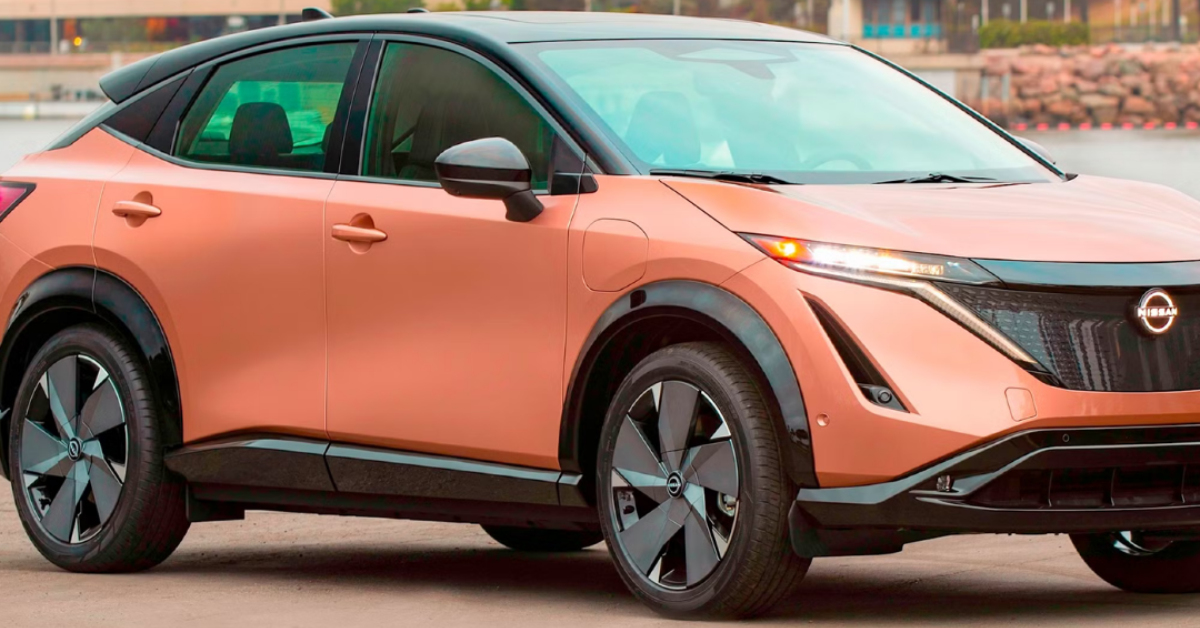
Ever wondered how the 2025 Nissan Ariya transforms every tap of the brake pedal into a boost for your battery?
That’s the magic of regenerative braking — a smart system that turns kinetic energy into electric power, helping you drive farther without a single charge.
In the Nissan Ariya, regenerative braking works by capturing energy when you ease off the accelerator, sending it straight back to the lithium-ion battery.
It is innovation in motion, giving Glendale drivers an efficient way to cruise through city streets and highways alike.
Want to experience this cutting-edge technology firsthand? Visit or contact Glendale Nissan today and let’s get you behind the wheel of the future.
What is Regenerative Braking and How Does It Work?
Regenerative braking is a system used in electric vehicles like the 2025 Nissan Ariya. It captures energy when you slow down and uses it to recharge the battery.
This process helps improve the car’s range without needing a charging station.
Here’s how it works:
- When you press the brake or lift your foot off the accelerator, the car’s electric motors switch to generator mode.
- These motors convert the car’s kinetic energy — the energy of motion — into electric energy.
- That electric energy is sent back to the Ariya’s lithium-ion battery, adding a bit more charge.
- The more you slow down, the more energy is captured, up to the system’s limit.
In simple terms, the 2025 Nissan Ariya uses the motion of the car to make power, storing it for later use.
This means you get the most out of every drive, whether you’re coasting down a hill or braking at a stoplight in Glendale.
Key differences between traditional brakes and regenerative braking:
- Traditional brakes use friction to stop the car, creating heat and wasting energy.
- Regenerative brakes use electric motors to slow down, capturing energy to recharge the battery.
- Traditional brakes provide no added range benefit, while regenerative braking helps extend driving range.
The 2025 Nissan Ariya’s regenerative braking system works smoothly in the background. It’s designed to feel natural while adding extra miles to your drive.
Want to learn more about how this technology works in real-time? Stop by Glendale Nissan and explore the Ariya’s innovative features today.
The Nissan Ariya's Regenerative Braking System: An In-Depth Look
The regenerative braking system in this electric vehicle works quietly and efficiently. When you slow down, the electric motor shifts into reverse mode, acting like a generator.
This process turns the car’s movement into electricity. The energy goes straight back into the battery.
What happens during regenerative braking?
- The car slows down as the electric motor works in reverse.
- The energy produced is sent to the battery for storage.
- This stored energy can be used later to power the vehicle.
It’s a smooth process, designed to feel natural while helping extend driving range.
Drivers often notice a slight slowing effect when they lift their foot off the pedal — that’s regenerative braking at work.
The system works best during city driving or stop-and-go traffic, where frequent braking means more chances to recapture energy. It’s a smart way to boost efficiency without any extra effort.
Want to learn more about how this system works in real-time? Visit Glendale Nissan and experience the innovation firsthand.
Exploring the E-Step Pedal: More Control at Your Fingertips
The E-Step pedal in the 2025 Nissan Ariya offers a new way to drive.
It gives you more control by using regenerative braking to slow the car when you lift your foot off the accelerator. This means you can adjust your speed without always using the brake pedal.
How does it work?
- When you press the E-Step button, the car switches to a more intense form of regenerative braking.
- Lifting your foot off the accelerator slows the car quickly, turning that energy into a small charge for the battery.
- You can still use the brake pedal for sudden stops, but the E-Step helps reduce how often you need to.
What makes the E-Step useful:
- Smoother driving: Great for stop-and-go traffic.
- Energy savings: Helps capture more power for the battery.
- Less brake use: Reduces wear on your traditional brakes.
It’s important to note that the E-Step won’t bring the car to a full stop. You’ll still need to press the brake pedal when you want to come to a complete halt.
The E-Step pedal makes driving feel more responsive and connected. It’s a simple way to get the most from the Nissan Ariya's regenerative braking system.
Driving Modes and Regenerative Braking: What You Need to Know
The 2025 Nissan Ariya offers different driving modes to match your style and road conditions.
Each mode adjusts how the car uses regenerative braking, giving you more control over energy use and driving feel.
There are two main driving positions:
- D Mode (Drive): This is the standard setting. It provides light regenerative braking, slowing the car gently when you ease off the accelerator. It’s ideal for smooth highway driving or when you want a more relaxed ride.
- B Mode (Brake): This increases regenerative braking strength. The car slows down faster when you lift your foot, capturing more energy for the battery. B Mode works well for city streets, stop-and-go traffic, or hilly roads.
When to use each mode:
- Use D Mode for highways and flat roads where you want to maintain a steady speed with minimal braking.
- Use B Mode for city streets, hills, or when driving in traffic to maximize energy capture during braking.
Switching between modes is easy. You can change them based on the road ahead of your comfort.
Key things to know:
- B Mode won’t stop the car completely — you’ll still need to use the brake pedal when coming to a full stop.
- D Mode lets you coast more, helping you use less battery power on long, steady drives.
- Using B Mode in traffic or on hills helps capture more energy, boosting battery efficiency.
By understanding these driving modes, you can get the most from regenerative braking. It’s a smart way to manage your car’s energy and make every mile count.
How Regenerative Braking Helps Boost the Ariya’s Battery Efficiency
Regenerative braking is more than just a way to slow down — it’s a key tool for boosting battery life.
When you ease off the accelerator, the system kicks in, turning the car's motion into usable energy. This energy goes straight back into the battery, helping to extend your driving range.
Here’s how it works in simple terms:
- Slowing down: As you lift your foot off the pedal, the electric motor works in reverse, creating resistance.
- Energy capture: This process generates electricity, which flows back into the battery.
- Battery recharge: The extra energy is stored, giving the car a small recharge every time you slow down.
Why does this matter for battery life?
- Less energy loss: Unlike traditional brakes that turn motion into heat, regenerative braking reuses that power.
- Extended range: By adding bits of energy back into the battery, you may drive farther without needing to stop and charge.
- Efficient city driving: Stop-and-go traffic means more chances to recover energy, making urban drives more battery-friendly.
To get the most from regenerative braking:
- Use B Mode in traffic or on hills to capture more energy.
- Plan smooth stops by lifting off the pedal early, giving the system time to work.
- Watch your dash — many electric vehicles show how much energy you’re saving in real-time.
Though it doesn’t replace charging, regenerative braking helps reduce the drain on your battery. It’s a simple way to make your car work smarter, using energy that would otherwise be lost.
What to Expect While Driving the Nissan Ariya in Glendale
Driving through Glendale feels smooth and controlled in the Ariya. With its electric power and advanced braking, you’ll notice a quiet, responsive ride. The instant torque makes it easy to merge onto busy roads or climb the hilly streets around town.
Regenerative braking adds to this experience by helping you slow down while saving energy. As you release the accelerator, the car gently reduces speed. This makes stop-and-go traffic less stressful and boosts battery efficiency without extra effort.
What stands out when driving in Glendale:
- City streets: Quick responses help you handle lights, crosswalks, and traffic with ease.
- Hilly areas: The braking system captures energy as you descend, helping extend your driving range.
- Freeway access: Smooth acceleration lets you merge onto highways without delay.
You’ll also notice how quiet the ride feels. Without a loud engine, you can focus on the road and enjoy the calm interior.
Tips for getting the most out of your drive:
- Use B Mode to enhance regenerative braking when going down hills or stopping often.
- Keep an eye on the energy display to see how much power you’re saving.
- Plan smooth stops by easing off the pedal early.
In Glendale, where traffic can be heavy, these features make daily drives more comfortable and efficient.
Whether you're cruising downtown or tackling mountain roads, the car works with you to make every trip smooth and steady.
Maximizing Your Nissan Ariya’s Regenerative Braking for Optimal Performance
Getting the most out of regenerative braking takes a bit of practice. Once you understand how it works, you can make each drive more efficient.
Here’s how to use it to your advantage:
- Ease off the pedal gradually: Let the car slow itself down instead of hitting the brakes hard. This captures more energy.
- Use B Mode on hills: It increases braking strength, helping you store extra power while going downhill.
- Plan ahead for stops: Look ahead and start coasting early. This keeps your drive smooth and boosts energy recovery.
You can also adjust the car’s driving modes to match your route. If you’re in stop-and-go traffic, a higher setting will help you recover more energy with each slowdown. On open roads, a lighter setting can give you a more natural feel.
Watching the energy display on your dash can also help. It shows how much power you’re saving in real-time. Over time, small changes in your driving habits can add up.
To get the best results:
- Combine braking modes with smooth driving.
- Use one-pedal driving when moving through busy streets.
- Track your battery's charge after each trip to spot patterns.
By making a few small adjustments, you can help your car stay charged longer. This means fewer stops to plug in and more time on the road.
Exploring the 2025 Nissan Ariya at Glendale Nissan
If you want to see what this electric SUV can do, visiting Glendale Nissan is a great place to start.
The team is ready to show you all its advanced features, from smooth regenerative braking to its sleek design.
Here’s what you can expect when you explore the car in person:
- Test drive options: Feel the instant power and quiet ride for yourself.
- Feature demonstrations: Learn how to adjust driving modes and use the E-Step pedal.
- Battery insights: Understand how regenerative braking works during your daily drives.
You can also ask about charging solutions. Whether you charge at home or on the go, the team can walk you through your options.
While you're there, check out:
- The latest technology in the cabin.
- Driver-assist tools that make each trip safer.
- Flexible cargo space for all your gear.
Seeing the car up close gives you a real sense of how it fits your lifestyle. Plus, experts are on hand to answer any questions about how it handles the road and manages energy.
If you're thinking about making the switch to electric, this is the perfect time to learn more.
FAQs About the Nissan Ariya's Regenerative Braking System
Drivers interested in the Nissan Ariya often have questions about its regenerative braking system.
Understanding how it works can help you make the most of this feature and get the best performance from your electric vehicle.
1. How does the regenerative braking system work in the Nissan Ariya?
The regenerative braking system in the Nissan Ariya works by capturing energy during deceleration and converting it into electricity to recharge the battery.
2. Can the regenerative braking intensity be adjusted on the Nissan Ariya?
Yes, the Nissan Ariya allows drivers to adjust regenerative braking intensity using driving modes or the E-Step pedal for a more controlled driving experience.
3. How does regenerative braking compare to traditional friction braking?
Regenerative braking slows the vehicle by converting kinetic energy into electricity, while traditional friction braking uses brake pads and rotors to create resistance and stop the car.
By learning how regenerative braking works, you can drive smarter and boost your car’s efficiency every time you hit the road.
Discover More About the Nissan Ariya at Glendale Nissan
If you're curious about how regenerative braking can enhance your driving experience, Glendale Nissan is here to help.
We invite drivers in Glendale to explore our wide range of vehicles, including the 2025 Nissan Ariya.
Want to learn more about how Nissan cars handle fuel efficiency, reliability, or tire performance? Discover how to get the most out of your car's range, understand what makes Nissan vehicles dependable, or find tips for maintaining your tires and sensors.
For more details about the Ariya or any Nissan model, contact our team today. Let’s find the perfect vehicle for you.